
📬
Sign Up for Our Amazing Newsletter!
Writing result-oriented ad copy is difficult, as it must appeal to, entice, and convince consumers to take action.


How To Be Culturally Responsive When Working in Communities


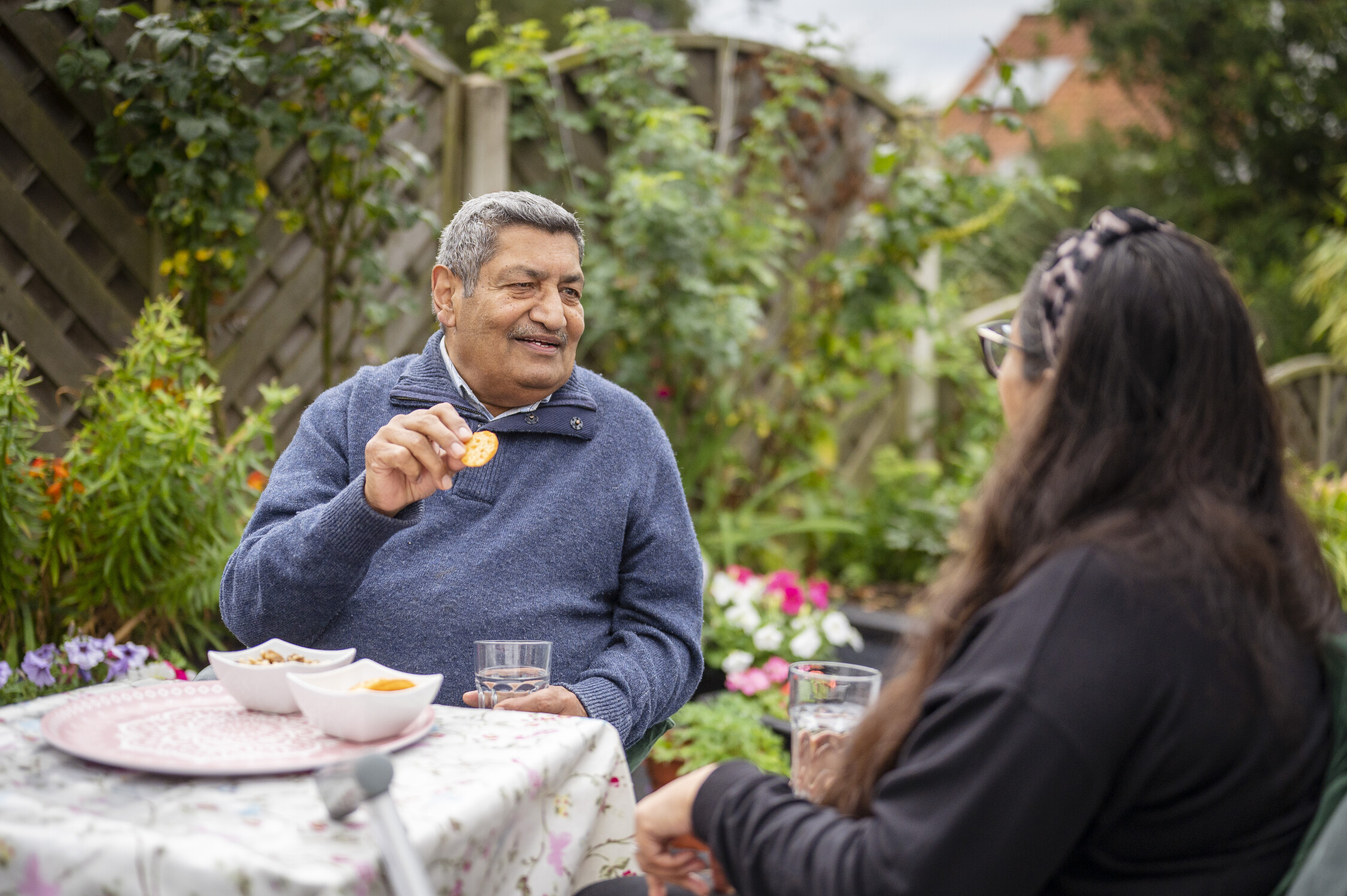


By understanding and responding to the needs of people from culturally diverse backgrounds, we can build trust, improve engagement and help reduce inequalities.
Voluntary, Community and Social Enterprise (VCSE) organisations work closely within communities across Wakefield District, and go above and beyond to provide welcoming support for those who need it.
The Live Well Wakefield Team have recently identified that people from culturally diverse backgrounds may be more likely to have ongoing support needs, using data analysis of trends here in Wakefield District.
We want to support you to keep developing and improving your understanding of best practice when it comes to inclusive, accessible and culturally responsive services. So members of the Live Well Wakefield team have identified key considerations, informed by local knowledge, lived experience and expertise.
This guidance is for community groups, charities, social enterprises, voluntary organisations and non-profits.
Best practice when supporting culturally diverse communities
1. Avoid assumptions
- Recognise that culture is diverse and individuals within the same community may have different beliefs, values and preferences.
- Ask people about their individual needs to avoid relying on stereotypes.
- Be aware that language, religion, ethnicity, disability, age, gender and migration experiences may all influence needs.
2. Communication matters
- Use clear, plain language and avoid jargon.
- Offer interpreting and translation services where appropriate.
- Consider literacy levels and provide information in different formats (visual, audio, digital and easy read).
- Check understanding rather than assuming information has been understood.
3. Build trust and relationships
- Engage with community leaders, faith groups and trusted local organisations.
- Understand that some communities may have historical mistrust of statutory services.
- Take time to listen and understand lived experiences.
4. Respect religious and faith requirements
Consider:
- Prayer times and prayer spaces.
- Religious festivals and holidays when planning events.
- Dietary requirements (e.g. halal, kosher, vegetarian and vegan).
5. Create inclusive environments
- Use imagery, promotional materials and communications that reflects the diversity of the community.
- Celebrate cultural events and awareness days in a meaningful way.
- Challenge discrimination, racism and prejudice promptly.
6. Consider family and community dynamics
- In some cultures, family members play a significant role in decision-making.
- Respect carers and extended family involvement where desired by the individual.
- Balance family engagement with individual choice, confidentiality and safeguarding requirements.
7. Address barriers to access
Work with people to identify and remove/reduce barriers they have to accessing your services. Common barriers may include:
- Language difficulties.
- Digital exclusion.
- Transport challenges.
- Financial hardship.
- Lack of awareness about available services.
- Fear of stigma or discrimination.
8. Understand health and wellbeing perspectives
- Different cultures may have varying views on mental health, disability, ageing and wellbeing.
- Be sensitive to stigma that may exist around certain conditions.
- Use strengths-based approaches that respect cultural values and beliefs by recognising and building on the strengths, experiences, family networks, faith, traditions and community resources that are important to individuals.
9. Co-produce services
- Involve people from diverse communities in planning, delivery and evaluation.
- Seek regular feedback.
- Ensure participation opportunities are accessible and meaningful.
10. Develop cultural competence
- Strive to develop a workforce and volunteer base that reflects the diversity of the communities you serve, helping to build trust, understanding and stronger community connections.
- Recognise and make best use of the skills, lived experiences and cultural knowledge within your organisation.
- Where appropriate, offer conversations and support in an individual's preferred language through bilingual staff or volunteers, helping to reduce communication barriers and improve engagement.
- Consider how recruitment, volunteering and outreach opportunities can encourage greater representation from underrepresented communities.
- Reflect on personal biases and assumptions.
- Undertake regular equality, diversity and inclusion training.
- Stay informed about local demographic changes and emerging community needs. A helpful source of information is the Wakefield JSNA reports and profiles.
- Be open to learning from service users and communities.
Questions that can help to review and benchmark
- Who is not accessing our services and why?
- Do our staff and volunteers reflect the communities we serve?
- Are our communications culturally appropriate and accessible?
- Do we routinely ask people about cultural, religious or language needs?
- Have we involved diverse communities in designing our services?
- Are our venues, events and activities welcoming to all groups?
Good practice principle: “Nothing about us without us”
Cultural needs are best understood by engaging directly with communities, listening to lived experience and adapting services based on what people say they need. This approach leads to greater inclusion, improved outcomes and stronger community trust.
Sharing best practice and success
There is already excellent work taking place across Wakefield District to break down barriers and improve engagement with diverse communities. If your organisation has developed an innovative approach or achieved positive outcomes through culturally responsive practice, we would love to hear from you.
We would like to spotlight examples of good practice to help share learning, spark some ideas, and evidence the work being done by VCSE organisations. Get in touch with comms@nova-wd.org.uk if you have a case study to share.
-------------------------------------------------------
Written by Fareeda, Reema, Jazz and Shannon from Live Well Wakefield. The article builds on partnership work between Live Well Wakefield, Nova Wakefield District, Wakefield Council’s Public Health team and wider council colleagues who have come together to better understand the experiences of diverse communities, identify what is working well, and consider opportunities to further strengthen support across the district.
Related News


.png)